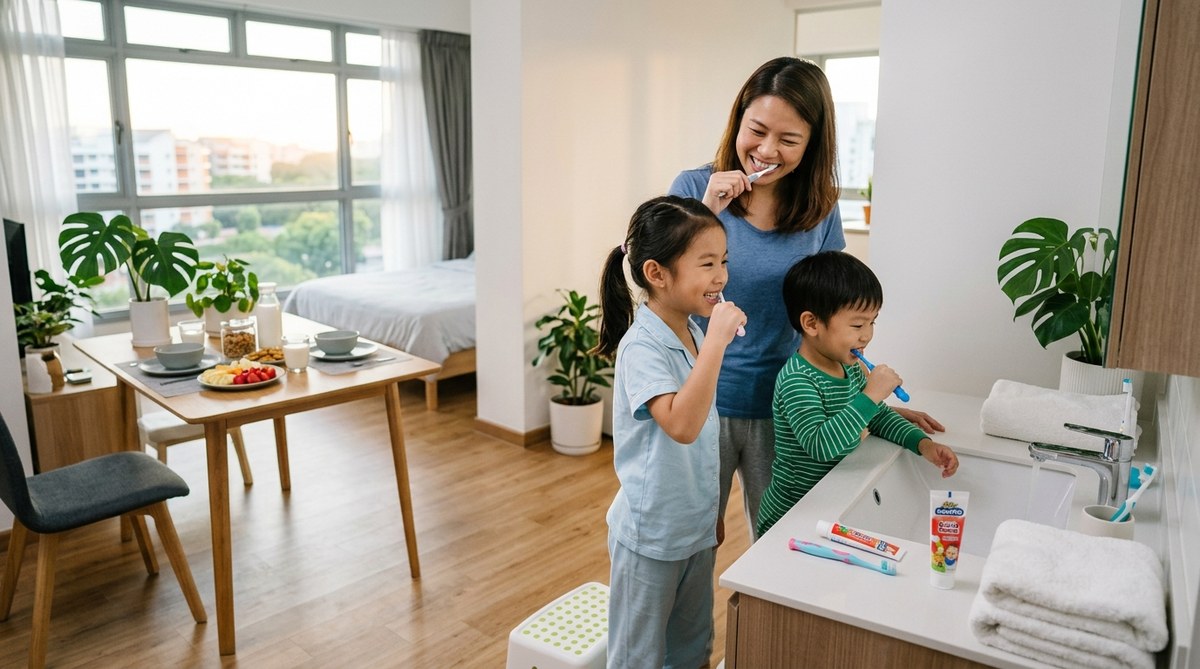
Mornings can set the tone for the whole day, especially for busy families in Singapore. A well planned routine helps kids feel secure, supports healthy sleep habits, and gives parents a smoother start to the day. At ILoveChildren.sg we understand that every family is unique. The goal is not perfection but progress toward calmer, more predictable mornings that nourish your child’s development while fitting your family rhythm. This guide covers practical, research informed ideas to build healthy morning routines for kids that work in real life.
Why healthy morning routines matter for child development
Healthy morning routines provide more than order. They support key areas of child development:
- Executive function and self control: predictable steps train kids to anticipate, plan, and execute tasks.
- Independence and confidence: age appropriate responsibilities boost self esteem.
- Emotional regulation: steady mornings reduce stress and keep moods even.
- Family connection: shared routines strengthen bonds and communication.
- Sleep quality: regular wake times reinforce a healthy sleep cycle.
In addition to daily benefits, consistent routines can ease transitions for children who are starting school, changing caregivers or moving to a new environment. While every child is different, a reliable structure offers a safe framework within which curiosity and learning can flourish.
Foundations: sleep consistency and bedtime boundaries
A strong morning routine starts the night before. Sleep quality and wake times are deeply connected, so laying solid foundations is essential.
- Aim for age appropriate sleep windows: preschoolers often need 10 to 12 hours including naps, school aged kids around 9 to 11 hours.
- Keep a regular bedtime: consistent bedtimes help kids wake up easier and more refreshed.
- Create a wind down ritual: 20 to 30 minutes of quiet activities before lights out signals the body its time to sleep.
- Dim the lights and limit screens before bed: blue light can interfere with sleep onset.
Practical steps you can take tonight:
1) Set a fixed wake time for weekdays and weekends that stays within a reasonable range.
2) Prepare outfits and school bags the night before.
3) Run a simple evening routine that includes teeth brushing, reading or a calm activity, and goodbye rituals.
Consistency is important, but flexibility helps too. When unavoidable delays happen, a short flexible backup routine avoids frustration and preserves morning momentum.
Building a simple bedtime routine
- 7 steps to a smoother night
1) Set a consistent bedtime
2) Prepare clothes and bag for the next day
3) Have a 15 minute wind down with quiet activities
4) Brush teeth and wash face
5) Read a short book or practice a quiet breathing exercise
6) Say goodnight with a warm ritual
7) Lights out
By aligning bedtime habits with morning wake times, your child learns to transition smoothly between day parts.
Visual routines that kids can follow
A visual routine is often a powerful tool for younger children or kids who benefit from concrete cues. It helps them know what to do next without constant prompts from adults.
- Create a simple chart with pictures or words that depict each step: wake up, bathroom, brush teeth, wash face, get dressed, breakfast, pack bag, and leave for school.
- Place the chart in a prominent, easy to see spot near the bathroom or doorway.
- Use color coding or stickers to celebrate each completed task.
- Review the chart together each morning and after school to reinforce predictable patterns.
Tools you can use:
– Laminated cards that you can wipe clean
– A whiteboard with magnets or markers
– A printable schedule posted on the wall
– A small app or timer that signals the next step
– A tangible routine basket with the items needed for the morning
Visuals reduce requests for reminders and empower kids to take ownership of their morning responsibilities.
Age by age: tasks to promote independence
Tailor morning duties to your child’s developmental stage. Below are general guidelines you can adapt to your family.
- Ages 2 to 3
- Put on shoes with help
- Pick up toys and place them in a bin
- Wash hands and face with help
- Choose from two outfit options
- Help with brushing teeth
- Ages 4 to 5
- Dress with minimal assistance
- Brush teeth with supervision
- pour a small drink of water
- Set out backpack and lunch bag
- Put on socks and shoes with some help
- Ages 6 to 8
- Dress themselves
- Pack school bag with essential items
- Tie shoelaces or fasten Velcro shoes
- Make a simple breakfast or assist with feeding
- Clear breakfast dishes from the table
- Ages 9 and up
- Prepare their own breakfast options
- Check the day’s schedule or transport plans
- Manage reminders for academic tasks and materials
- Help with family chores related to the morning routine when appropriate
If you have a child with additional needs, adapt tasks and pacing. Visual supports and extra time can help a lot. Celebrate small successes and maintain a patient, supportive attitude.
Calming morning rituals to start the day gently
Stress free mornings help kids feel secure and ready to learn. Incorporate small calming rituals into your routine.
- Breathing exercises: teach a simple 4 count in, 4 count out technique for a minute.
- Gentle movement: stretch your arms, neck, and shoulders; a short family yoga pose can be fun.
- Positive mindset: share a short gratitude or intention for the day.
- Sensor friendly options: soft music, a warm bath or shower, a comforting scent like vanilla or lavender in a diffuser (use sparingly and safely).
Calm transitions reduce resistance and create a cooperative atmosphere. If mornings get heated, pause, acknowledge emotions, and re engage with a simplified version of the task.
Breakfast and nutrition as part of the routine
Breakfast supports energy, mood, and attention. Choose quick, balanced options that include protein, fiber and healthy fats.
- Quick high protein ideas: yogurt and fruit, scrambled eggs, tofu and veggie omelets, peanut butter on whole grain toast.
- Fiber rich options: oats with fruit, whole grain cereal with milk, chia puddings.
- Hydration: water first thing in the morning; a small glass of milk or fortified plant milk if desired.
- Timelines: aim for breakfast within an hour of waking to stabilize energy.
- Prep tips: set the table the night before; offer two choices to speed decision making.
For busy mornings, prepare a few reliable grab and go choices. A simple chart of options helps kids feel involved and make healthy decisions.
Time management and flexibility for busy families
Living in a fast paced city like Singapore means mornings can be tight. A well designed routine gives you space to breathe and handle delays gracefully.
- Build in a 10 to 15 minute buffer: plan slower transitions for the first 30 minutes of your routine.
- Use a timer to signal the next step: a gentle beep can cue the start of the next task.
- Have a backup plan for delays: a quick, easy option that can substitute for more time consuming tasks.
- Keep the pace age appropriate: younger kids might need slower transitions while older kids can handle faster progression.
Consistency helps, but flexibility reduces stress. If a child has a late night or a special event, adjust wake times or skip non essential tasks for that day.
Screens and technology in the morning
Technology can creep into mornings, but it is best to build screen free windows until routines are established.
- No screens until after morning responsibilities are completed, breakfast, and hygiene.
- If screens are used, choose short, educational options and set limits.
- Use screen time as a reward for completing morning tasks.
Setting boundaries early helps kids learn to prioritize responsibilities over entertainment in the morning.
Night before preparedness
Preparing for the next day the night before reduces morning friction and makes the routine smoother.
- Ready uniforms or outfits and shoes
- Packed school bags with books, lunches, and required materials
- Confirm transportation plans or shuttle times
- Lay out morning materials like water bottles and snack containers
- Decide breakfast options to avoid decision fatigue
A ritual of night prep supports a calm morning and reduces the chance of forgetting essentials.
Weekday routines versus weekend routines
Weekdays require the most structure. Weekends can still be smooth with some flexibility.
- Weekdays: consistent wake times, fixed breakfast windows, and a predictable sequence of tasks.
- Weekends: allow occasional later wake times and relaxed routines while maintaining core habits (teeth brushing, dressing, a reasonable breakfast, and a simple visual chart).
- Use a shared family calendar to highlight any deviations and keep expectations clear for everyone.
A balanced approach reduces stress when days feel different from the norm.
Common challenges and practical solutions
No routine is perfect from day one. Here are common hurdles and practical ways to handle them.
- Resistance to dressing or grooming: offer two acceptable outfits, provide a choice between options, and include a small reward for completing tasks.
- Tantrums during transitions: acknowledge feelings, use a brief break, then restart the routine with simplified steps.
- Forgetting items: create a checklist that is reviewed every morning and use a dedicated “grab and go” bin for essential items.
- Sleep regression: maintain a consistent routine, adjust bedtime gradually, and ensure daylight exposure to reset circadian rhythms.
- Siblings sharing chores: assign age appropriate tasks to each child and rotate responsibilities to keep it fair.
Patience and positivity are essential. Focus on small wins and build momentum week by week.
Sample morning schedules
Here are three flexible templates you can adapt to your family needs.
- Early riser family (ages 4 to 8)
- 6:30 am waking
- 6:35 am bathroom routine
- 6:50 am brushing teeth and washing face
- 7:05 am dress up with a chosen option
- 7:15 am breakfast
- 7:35 am backpack check
- 7:45 am leave for school
- Moderate riser (ages 5 to 9)
- 7:00 am wake up
- 7:05 am quick stretch
- 7:15 am bathroom and teeth
- 7:25 am dress and pack bag
- 7:40 am breakfast
- 8:00 am finalize and leave
- Flexible morning for families on the go
- Wake up around 6:45 am or later depending on schedule
- 6:50 am quick hygiene
- 7:05 am flexible breakfast
- 7:25 am quick review of morning tasks
- 7:40 am pack and depart
These templates are starting points. Adjust times to suit your child’s sleep needs, school start time, and family logistics.
A quick checklist to keep mornings on track
- Consistent wake time every day
- Age appropriate tasks completed independently
- Visual routine chart visible in the bathroom or hallway
- Breakfast within one hour of waking
- Bag, lunch, and uniform prepared the night before
- Little to no screens until after essential tasks are done
- Positive reinforcement for completed steps
-
Buffer time for delays and unexpected events
-
Quick wins for busy mornings
- Pre fill school bag with essential items
- Set the breakfast table the night before
- Prepare a go to snack in a labeled container
- Keep a spare set of clothing in the bag or closet
Frequently asked questions
- How long should a morning routine take for a 5 year old?
- Most routines are efficient within 20 to 40 minutes once established. Start slower and gradually increase speed as tasks become familiar.
- What if my child resists following a routine?
- Use visuals, offer two choices, and celebrate small successes with praise. Keep the tone positive and collaborative.
- Should weekends have the same routine as weekdays?
- Keep a baseline routine for predictability, but allow relaxed times and occasional flexibility to maintain balance.
- How can I maintain routines with a busy schedule?
- Build in buffer time, prepare the night before, and adapt tasks to fit shorter windows. The goal is consistency, not perfection.
- Are morning routines helpful for children with ADHD or autism?
- Visual supports, explicit instructions, and predictable sequences can be especially beneficial. Work with professionals to tailor routines to individual needs.
Real world tips for Singaporean families
- Align routines with school start times and school bus schedules in your area.
- Consider bilingual or school language readiness when planning morning tasks and reading sessions.
- Use existing community groups or parenting networks to share tips and get feedback from other parents in your locale.
- Balance nutrition and cultural food preferences with quick, healthy options that your child enjoys.
- Keep routines flexible enough to accommodate family events or cultural activities without losing the core structure.
Making it your own
Every family is different. The best morning routine for your kids is the one that fits your values, culture, and daily life. Start small with a couple of visual cues and a manageable set of tasks. As your child grows, gradually add responsibilities and adjust the schedule. Celebrate progress, stay positive, and remember that consistency beats intensity in the long run.
If you would like more personalised ideas, you can:
– Create a simple family plan together to set expectations
– Try a two week trial to test what works and what does not
– Involve kids in decision making by asking them what tasks they would like to own
Closing thoughts
Healthy morning routines for kids are not just about getting out the door on time. They are about building a foundation for growth, learning, and well being. With thoughtful planning, visual supports, and a gentle, flexible approach, mornings can become a positive, predictable start to every day. At ILoveChildren.sg we believe in practical, research informed strategies that support Singaporean families through every stage of child development. Start with one small change this week and watch mornings transform for your family.