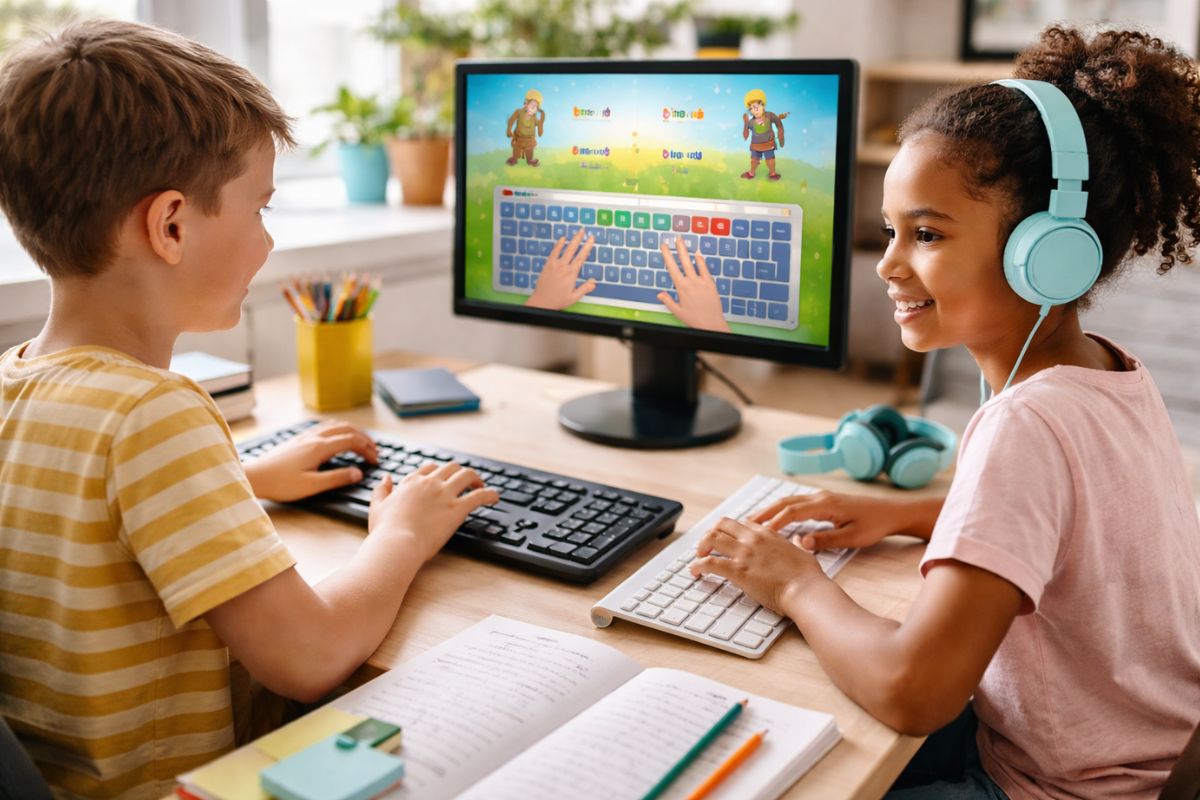
Screens glow in almost every home. Tablets sit on coffee tables. Laptops open during homework time. Phones rest beside dinner plates. Many parents feel torn between limiting screen time and accepting that technology is part of daily life. The real shift happens when we stop seeing screens as passive entertainment and start viewing them as tools for growth.
Typing is one of the most practical skills a child can build during those screen hours. It supports schoolwork, improves focus, and builds digital confidence. A free typing test can turn a casual fifteen minute scroll into a measurable practice session. Instead of consuming content, your child creates something. Instead of tapping randomly, they develop coordination and discipline.
Keyboard skills may seem small compared to coding or robotics. Yet they form the foundation of almost every digital activity your child will face in school and beyond. Writing essays, emailing teachers, researching projects, even completing exams often depends on comfortable typing. That makes keyboard practice a meaningful bridge between screen time and lifelong learning.
At a Glance
- Typing transforms passive screen time into structured learning.
- Short daily sessions build focus, coordination, and confidence.
- Parents can support healthy routines by balancing online and offline activities.
- Keyboard skills strengthen digital literacy and academic readiness.
Why Keyboard Skills Matter for Modern Childhood
Children grow up surrounded by digital tools. Homework portals, research platforms, and classroom communication systems all require typing. Students who type slowly often feel frustrated. They lose their train of thought while searching for keys. That frustration can lower confidence.
Comfortable typing changes the experience. Ideas flow faster. Written expression improves. Children feel capable. These benefits align closely with conversations around managing screen time wisely, where the goal is not total restriction but intentional use. Turning part of that time into keyboard practice reframes the discussion at home.
Typing also supports executive function. Children must focus on accuracy, rhythm, and posture. They learn to monitor mistakes and correct them. This builds patience. It trains attention. It encourages steady progress rather than instant gratification.
From Passive Watching to Active Creating
Streaming videos or playing repetitive games requires little cognitive effort. Typing practice demands engagement. Children read prompts. They process words. They respond with coordinated finger movements. This active participation stimulates different areas of the brain compared to passive viewing.
You can start with simple exercises. Ask your child to type a short paragraph about their day. Encourage them to copy a favorite poem. Track their speed and accuracy once a week. Progress becomes visible. Small improvements motivate continued effort.
Parents often worry about adding more structure to already busy schedules. The truth is that effective typing sessions can be short. Ten to fifteen minutes is enough. Consistency matters more than duration. A daily rhythm builds muscle memory over time.
What Children Gain Beyond Speed
Typing practice is not only about words per minute. It strengthens several developmental areas at once. These benefits accumulate gradually and become noticeable over months.
1) Improved concentration
Children focus on accuracy and rhythm. Distractions decrease during structured sessions.
2) Better posture awareness
Correct hand placement and screen distance teach ergonomic habits early.
3) Stronger spelling recognition
Repeated exposure to correctly spelled words reinforces literacy.
4) Greater academic confidence
Faster typing allows ideas to flow without interruption.
Between each session, talk about what your child noticed. Did certain letters feel tricky? Did accuracy improve? This reflection encourages self awareness and growth.
Balancing Practice With Family Routines
Parents often ask how keyboard learning fits into daily life. The answer lies in rhythm. Morning routines, homework blocks, and quiet evenings all offer small windows. A short typing session after school can become as natural as brushing teeth.
Consistency works best when the environment feels supportive. A calm workspace helps. Clear expectations reduce resistance. Conversations about goals build cooperation. These strategies mirror many ideas found in productive morning routine tips, where structure supports family harmony.
Children thrive when practice feels achievable. Avoid pressure. Celebrate small improvements. If mistakes increase one day, treat it as part of learning. Confidence grows in safe environments.
Healthy Screen Habits and Brain Development
Research on child development shows that the quality of screen use matters more than raw hours alone. Interactive and skill building activities support cognitive growth better than passive scrolling. Guidance from the American Academy of Pediatrics highlights the importance of purposeful digital engagement alongside family interaction.
Typing practice fits this balanced approach. It combines motor coordination, reading, and self regulation. It also creates natural pauses between entertainment sessions. Instead of switching from one show to another, your child engages in focused effort.
Parents remain central in this process. Sit nearby during early sessions. Offer encouragement. Model calm behavior. Shared presence reinforces that screens are tools, not babysitters.
Building a Weekly Keyboard Plan
A simple framework keeps practice manageable. You do not need complex charts. Clear expectations and gentle tracking are enough. Below is a sample weekly structure that families can adapt.
| Day | Activity Focus | Goal |
|---|---|---|
| Monday | Home row practice | Accuracy above 90 percent |
| Wednesday | Short paragraph typing | Steady rhythm |
| Friday | Timed session | Track progress |
Tracking progress once a week keeps the experience motivating. Children enjoy seeing numbers rise gradually. Parents gain insight into development without creating pressure.
Making Practice Feel Meaningful
Children engage more deeply when tasks connect to their interests. Encourage them to type short stories about favorite hobbies. Let them write messages to their grandparents. Invite them to create a family newsletter. These activities combine creativity with technical skill.
- Type lyrics from a favorite song for spelling practice.
- Create a short travel journal after weekend outings.
- Write simple recipes to practice punctuation.
Keep sessions playful. Praise effort. Avoid comparisons with siblings. Each child progresses at a different pace. The goal is steady growth, not competition.
Addressing Common Concerns
Some parents fear that adding structured keyboard practice increases screen dependency. The opposite often occurs. Purposeful use reduces mindless browsing. Clear time limits create boundaries. Children learn that screens serve a function.
Another concern involves age. Many children can begin simple keyboard awareness around six or seven years old. Younger children may practice finger placement without formal timing. Adjust expectations based on developmental stages.
Cost is rarely a barrier. Many resources remain free and accessible. All that is required is a keyboard and guidance. Over time, improvements become visible in school assignments and daily communication.
Growing Confidence Through Small Wins
Confidence develops through repeated success. Each accurate session reinforces capability. Children begin to view themselves as competent learners. This mindset carries into other areas of life.
Parents often notice changes beyond typing speed. Homework feels less stressful. Written responses become longer and clearer. Children volunteer to complete digital tasks independently.
These outcomes highlight an important truth. Screen time does not have to undermine development. With intention and structure, it can strengthen essential skills.
Shaping Digital Habits That Last
Childhood routines shape adulthood habits. A child who learns disciplined screen use today is more likely to manage technology responsibly later. Keyboard skills act as an anchor within that structure. They represent purpose rather than distraction.
Short daily practice, supportive conversation, and clear boundaries create a balanced environment. Screens remain part of life. Yet they become tools for learning, creativity, and confidence.
By transforming casual device time into keyboard training, families turn a common concern into a steady opportunity. Each keystroke builds coordination. Each session builds focus. Over time, these small investments compound into meaningful growth.